

Stress is a prime contributor to poor oral health as it causes poor eating habits, poor dental care, and uncomfortable digestive issues which in turn increases your stress. Keeping your oral care up to scratch, visiting your dentist, and learning how to remove stress from your life is key when it comes to keeping inflammation, oral disease, digestive issues at bay and your teeth healthy.
Stress is a vicious circle. Cortisol in your system increases your anxiety, increasing the acid released in your gut, increasing your systems inflammation, resulting in depression, mood swings, chronic emotional and physical distress.
What does this do to your teeth?
- Inflammation
The increase in cortisol encourages gum diseases such as gingivitis, periodontitis, bleeding gums, loose and even lost teeth.
- Infection, Dry Mouth, and Burning Mouth
Stress alters the equilibrium of bacteria and saliva in your mouth. Saliva is very important as it washes away unwanted bacteria, food particles etc. Never ignore thirst signals. Drink 8 glasses of water a day. A dry mouth, or ‘xerostomia’, leads to unchecked bacteria, infections, and cavities. Plaque and tartar flourish under dry mouth conditions. Burning Mouth Syndrome symptoms include unpleasant burning sensations on your tongue, lips, gums or palate. It can be caused by GERD – a digestive disorder causing a dramatic increase in gut acid.
- Canker Sores, Cold Sores, Lichen Planus, and Mouth Ulcers
The exact causes of these ulcers aren’t known, although not enough green, leafy vegetables, iron, vitamins B, and Omega 3 and 6, as well as acidic food like tomatoes, or alcohol, and stress, are thought to be contributing factors. The discomfort they cause often results in poor dental hygiene.
- Poor Dental Hygiene
Being stressed can cause you to be less than focused in general and on your dental hygiene in particular. Flossing, brushing, using mouth wash etc tend to fade into the background.
- Bruxism a.k.a. Teeth Grinding, Jaw Clenching and TMD
If you wake up with a sore jaw, stiffness in your neck, or nagging tension headaches, you might be grinding your teeth while you sleep, or clenching your jaw during the day. Bruxism wears down your tooth enamel making your teeth more sensitive, increasing your risk of cracked, chipped teeth and cavities. Bruxism can also result in Temporomandibular disorder (TMD). TMD affects your jaws’ joints and muscles. And can make opening or closing your mouth hard. Bruxism can be caused by GERD.
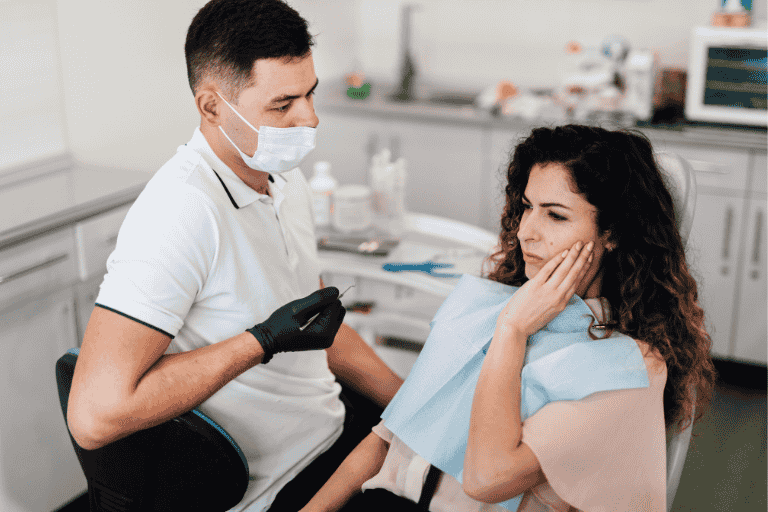
There are two ways to deal with the oral damage caused by stress. And both are important.
Dental Care
Sticking to your daily oral hygiene routine can bring a sense of stability when you’re under stress.
- Remember to brush, floss and use mouth wash.
- Have dental check-ups. Early diagnosis and treatment are important.
- Use a custom mouthguard to protect your teeth and ease jaw pain.
- Stay Hydrated. Drink lots of water throughout the day.
Stress Care
- See your doctor. Depression sometimes has a medical cause.
- Keep a gratitude journal.
- Stay connected with friends you trust.
- Exercise. From walking to Tai Chi, any exercise is a good stress reliever.
- Meditate. Find a meditation that suits you.
- Eat a healthy, mood enhancing diet.
- Enjoy 8 hours of sleep – at least three of them before midnight.
What are you doing to eliminate stress from your life? Are you experiencing any of the symptoms we mentioned? If you think stress is damaging your teeth, make an appointment today by contact us on 0508 TEAM DENTAL.
FAQs:
Q1: Can stress really affect my teeth and gums?
Yes. Ongoing stress can raise cortisol levels in the body, which increases inflammation and weakens your ability to fight infection. This can lead to gum disease, dry mouth, mouth ulcers, and teeth grinding. When stress also causes people to skip brushing, flossing, or dental visits, the risk of cavities, enamel wear, and tooth loss increases even more.
Q2: How can I protect my oral health when I am under a lot of stress?
Start by sticking to a simple, consistent oral care routine, even when life feels busy. Brush and floss daily, use mouthwash, and drink plenty of water to prevent dry mouth. Regular dental check-ups can catch problems early, and a custom mouthguard can help if you grind or clench your teeth. Reducing stress through exercise, better sleep, healthy eating, and relaxation techniques will also help protect your teeth and gums.